The Government of Bolivia has indicated that the fuel shortage in the country is due to the lack of dollars to pay for the import of diesel and gasoline. This has led to long lines of vehicles seeking fuel at various service points. The Minister of Hydrocarbons and Energy, Alejandro Gallardo, explained that the problem lies in obtaining foreign exchange to pay fuel suppliers, as they currently face obstacles to obtaining external credit due to opposition in the Legislature.
In this sense, the country is facing lower volumes of fuel than required, which affects supply in various sectors. To alleviate this situation, mechanisms such as the importation of fuels at international prices by YPFB have been established. The president of YPFB, Armin Dorgathen, highlighted that this modality is a temporary solution to guarantee supply to productive sectors such as agro-industrial and mining.
Bolivian authorities are working on financial arrangements to obtain the necessary dollars to cover the import of fuels. Credits have been requested from Parliament as part of the measure to resolve this issue. In addition, the reactivation of hydrocarbon exploration and exploitation is proposed to increase reserves and the construction of biodiesel plants to substitute imports in the long term.
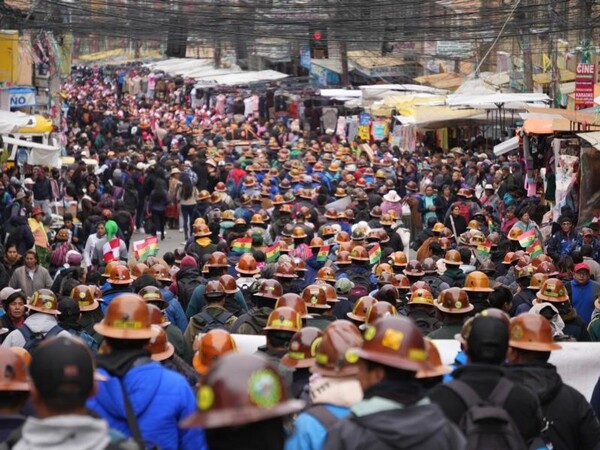
The fuel shortage has affected the country for months, recently manifesting in long lines of vehicles at service stations, which has raised concerns in sectors such as transportation. In light of this situation, the National Chamber of Industries has proposed holding a summit to address the economic and energy crisis, with the aim of avoiding a potential food crisis in Bolivia. Industrialists suggest implementing new laws that promote investment in the hydrocarbons sector and encourage productive activities in the country.